Yukon Packaging EPR: Producer Guide 2026
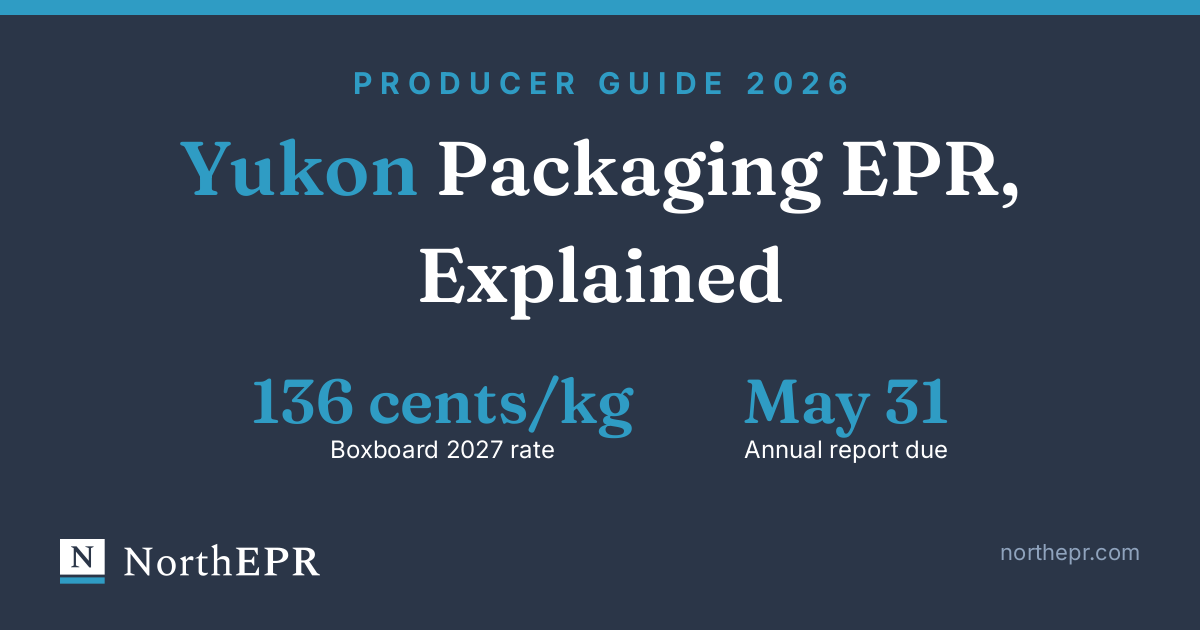
Yukon packaging EPR: who must report, the $1 million and 1-tonne small steward exemptions, the May 31 deadline, and 2027 fee rates by material.
Manitoba packaging EPR: who must report to MMSM (now Recycle Manitoba), the $750,000 revenue test, the May 31 deadline, and quarterly fee payments.
Saskatchewan packaging EPR: who must report to SK Recycles, the $1M revenue and 1-tonne exemptions, the May 31 deadline, and 2026 fee rates by material.
Most packaging EPR programs exempt the smallest producers, but the line is different everywhere: revenue tests run from $1 million to about $5.8 million, and tonnage tests are usually one tonne. The thresholds for ten jurisdictions, and the traps that catch small brands.
Alberta's packaging EPR program is now province-wide after Phase II went live October 1, 2026. Who counts as a producer, the exemptions, the ARMA oversight fee, and the June 30, 2027 supply report deadline.
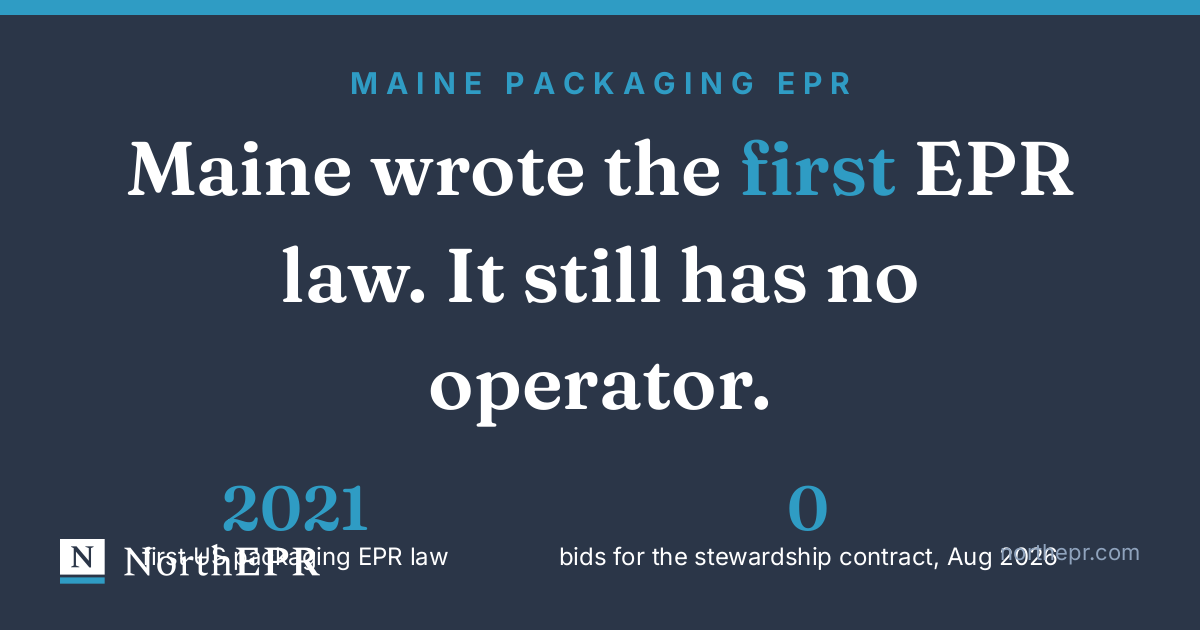
Maine passed America's first packaging EPR law in 2021, but the program still has no operator after its stewardship organization RFP drew zero bids in August 2026. Here is what producers selling into Maine need to know, including the perishable food exemption.
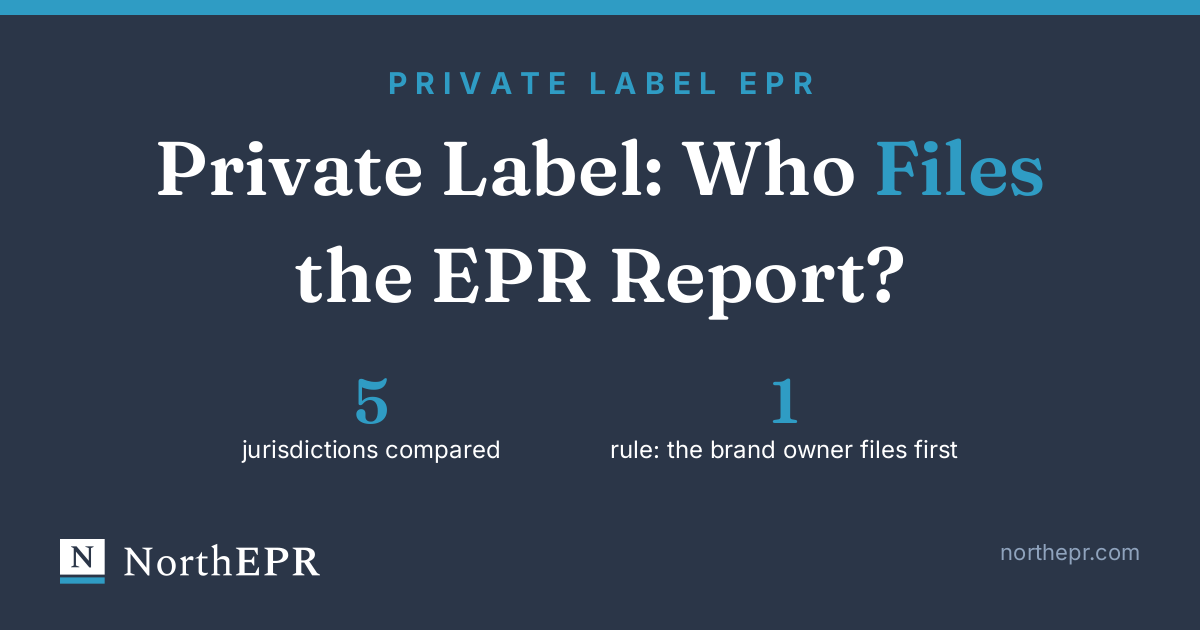
If a retailer sells your product under its own store brand, who files the EPR report? Usually the retailer, not the manufacturer. Here is how Ontario, Quebec, BC, California and Oregon assign private label packaging.
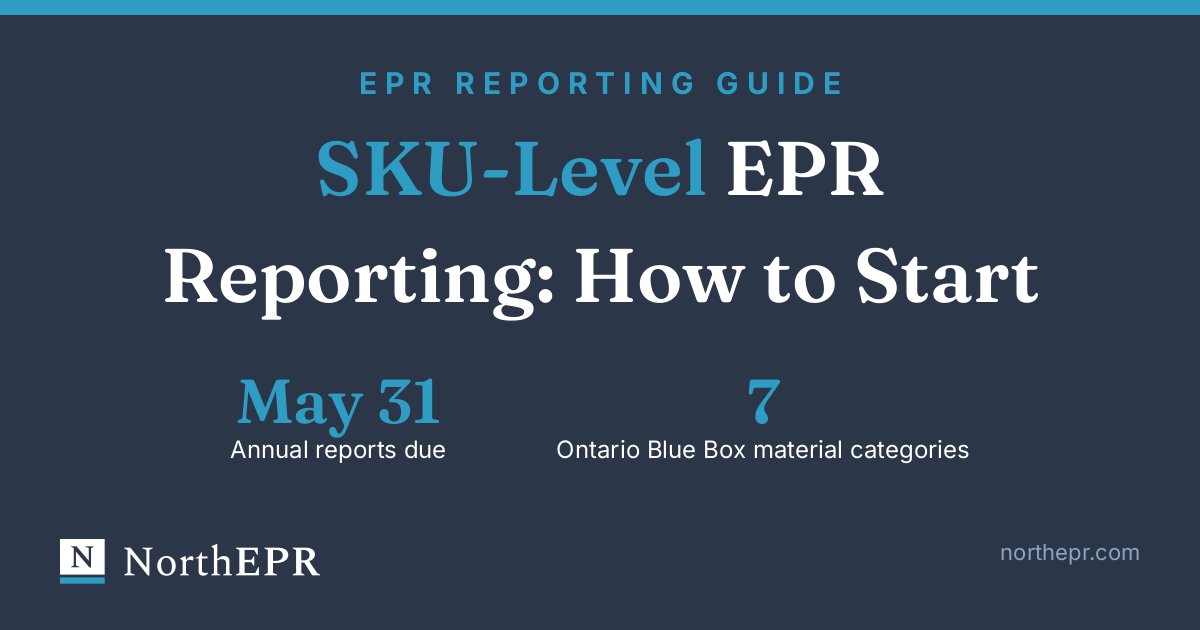
EPR fees are charged by material weight, so programs want your packaging data at SKU level. Here is how to build that inventory: list every SKU, split each into components, weigh by material, and split by place of sale.
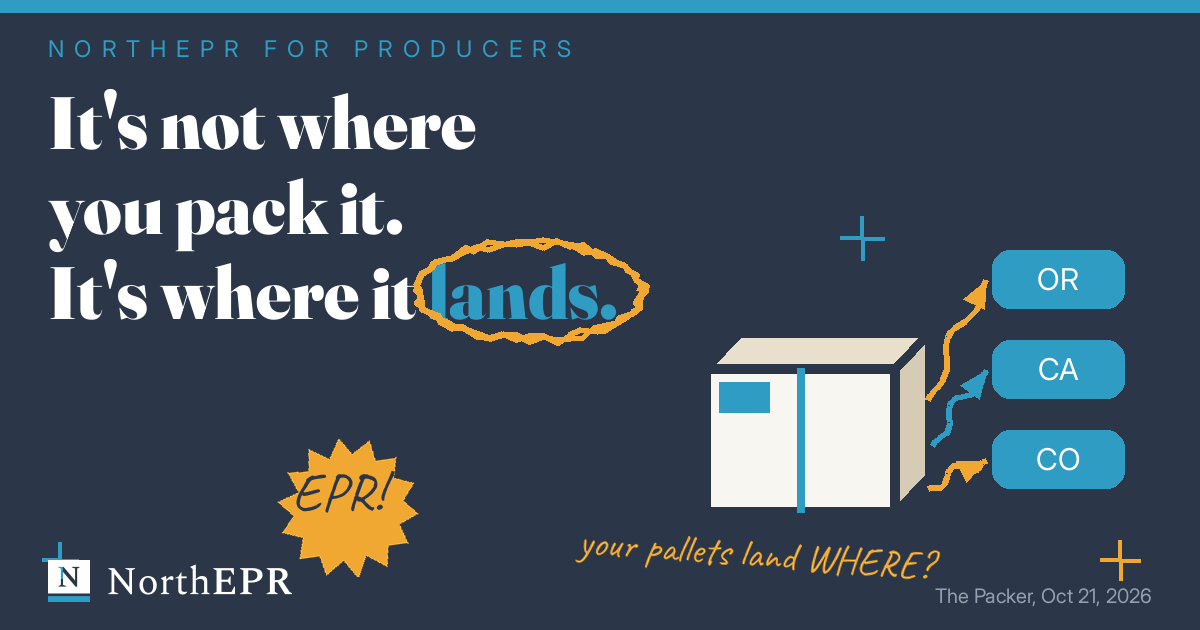
State EPR liabilities are triggered by where packaged goods land, not where they are packed. What Fox Packaging's Victoria Lopez told produce shippers at IFPA about the destination-state trap, the $20,000 consultant vs $300 fee gap, and mapping every state and province you sell into.
Joining a PRO is the first step of packaging EPR compliance. A step-by-step guide to registering with the right producer responsibility organization in each Canadian province and US state.
How packaging EPR fees are calculated: weight times material rate, plus eco-modulation bonuses and penalties. What drives your fees up or down, and why SKU-level data matters.
Packaging EPR in five steps: determine your obligation, register, report packaging data, pay fees, and meet targets. The same loop runs in every jurisdiction.
Extended producer responsibility explained in plain language: the polluter-pays principle, its origins in Germany's 1991 packaging law, and why packaging became the prime target.
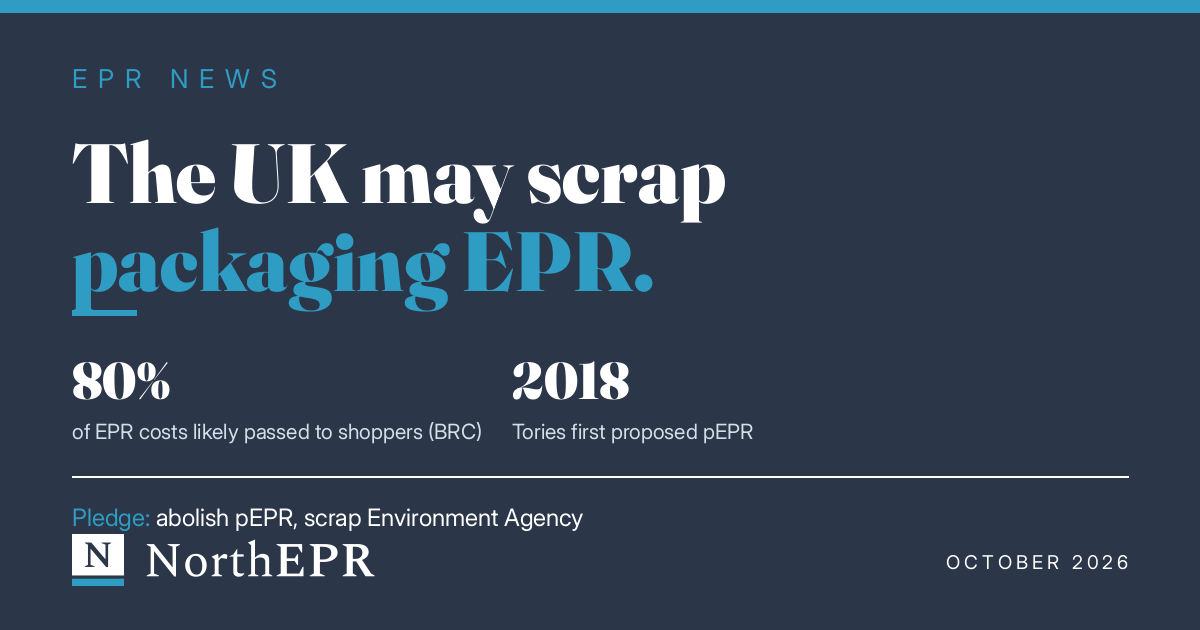
The UK Conservatives pledged to abolish packaging EPR, calling it a grocery tax. The politics are worth watching, but the compliance lesson for North American producers is simpler.
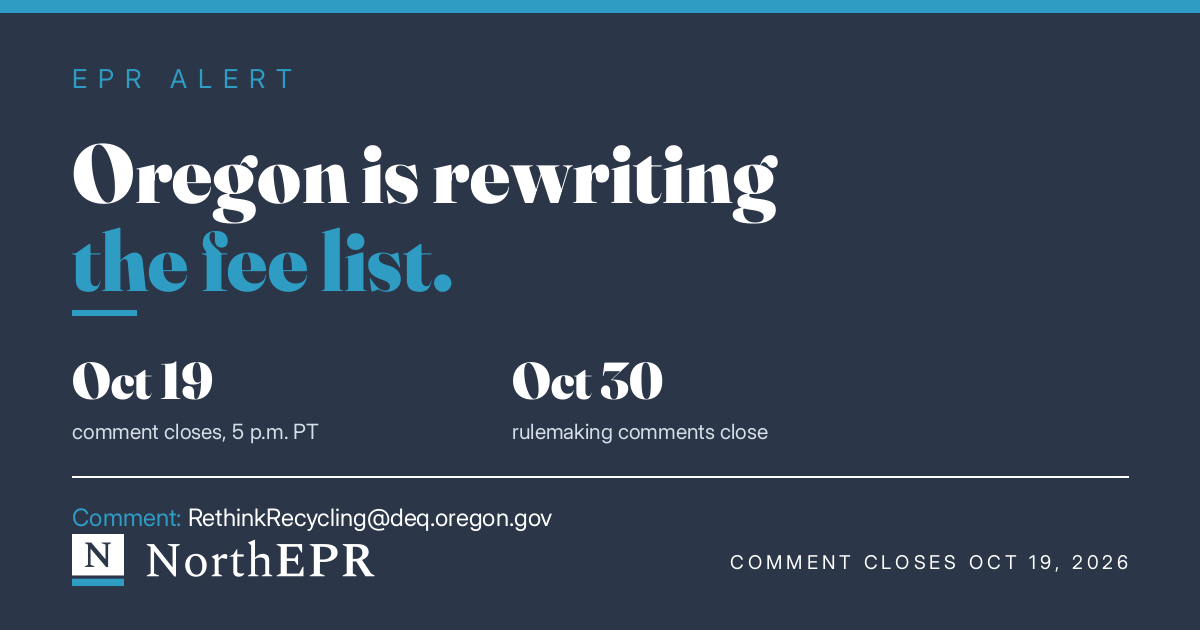
Oregon DEQ opened CAA's third program plan amendment for comment: covered material categories, glass fees, and performance metrics are all on the table. Comments close 5 p.m. PT on October 19, 2026.
The complete guide to packaging EPR for food and beverage producers: what it is, who it hits, how the system works, where it applies across Canada and the US, and what compliance looks like.