Yukon Packaging EPR: Producer Guide 2026
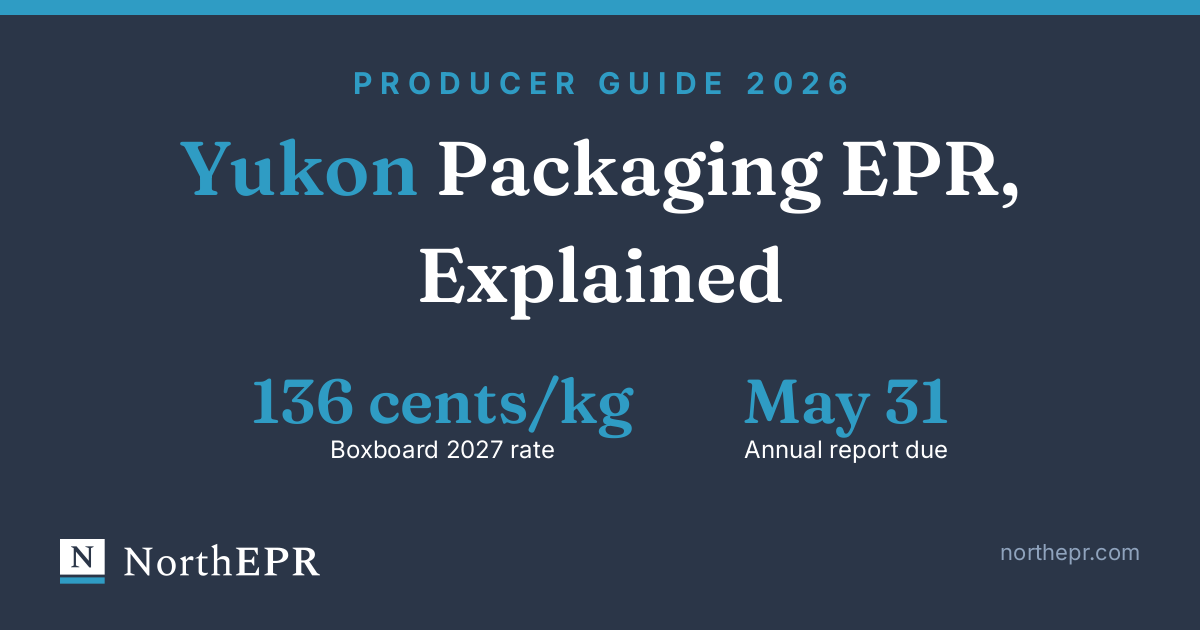
Yukon packaging EPR: who must report, the $1 million and 1-tonne small steward exemptions, the May 31 deadline, and 2027 fee rates by material.
Filed an EPR report with a wrong weight or a missing SKU? Every program has a correction route. Here is how to fix it in Quebec, Ontario, BC, and Oregon, and what to send.
Selling packaged goods online into BC, Ontario, California or Oregon? Your shipping destination can make you the obligated producer, and the box you ship in usually counts too.
Manitoba packaging EPR: who must report to MMSM (now Recycle Manitoba), the $750,000 revenue test, the May 31 deadline, and quarterly fee payments.
Saskatchewan packaging EPR: who must report to SK Recycles, the $1M revenue and 1-tonne exemptions, the May 31 deadline, and 2026 fee rates by material.
Most packaging EPR programs exempt the smallest producers, but the line is different everywhere: revenue tests run from $1 million to about $5.8 million, and tonnage tests are usually one tonne. The thresholds for ten jurisdictions, and the traps that catch small brands.
Alberta's packaging EPR program is now province-wide after Phase II went live October 1, 2026. Who counts as a producer, the exemptions, the ARMA oversight fee, and the June 30, 2027 supply report deadline.
California beverage bottles must already average 25% post-consumer recycled plastic, and Washington's rule steps up to 25% on January 1, 2026. What producers must hit, report, and track per SKU.
Comments on Minnesota's draft EPR needs assessment closed Nov 13, 2026. The final assessment is due Dec 31, and producers still face a Dec 8 brand deadline and a 2027 supply report. What happens next.
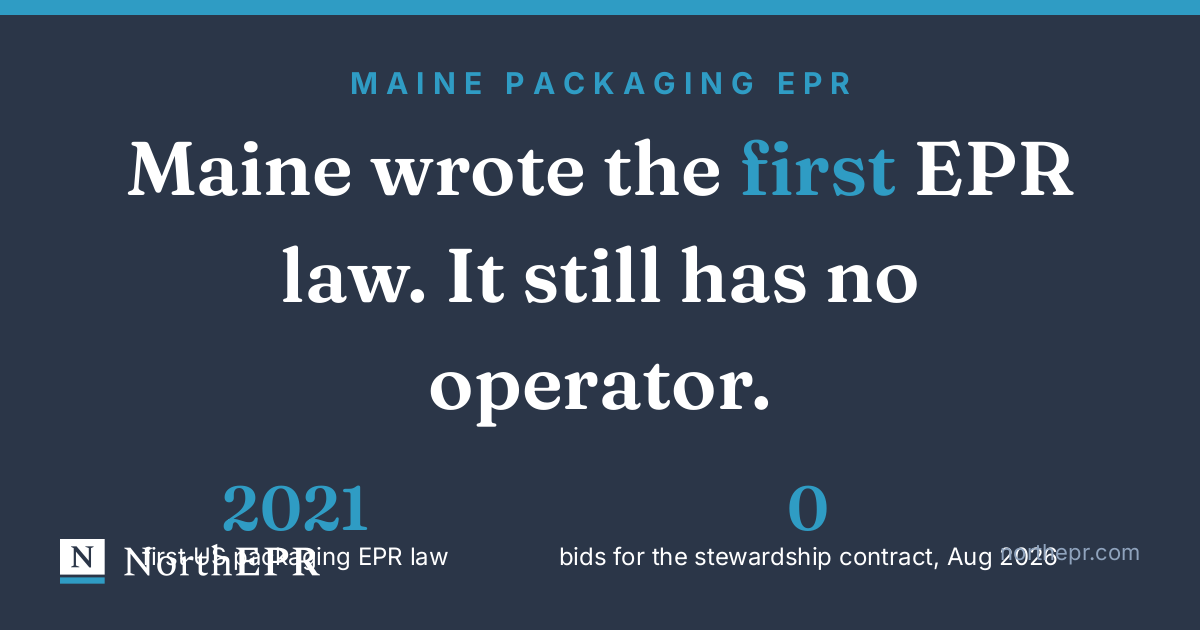
Maine passed America's first packaging EPR law in 2021, but the program still has no operator after its stewardship organization RFP drew zero bids in August 2026. Here is what producers selling into Maine need to know, including the perishable food exemption.
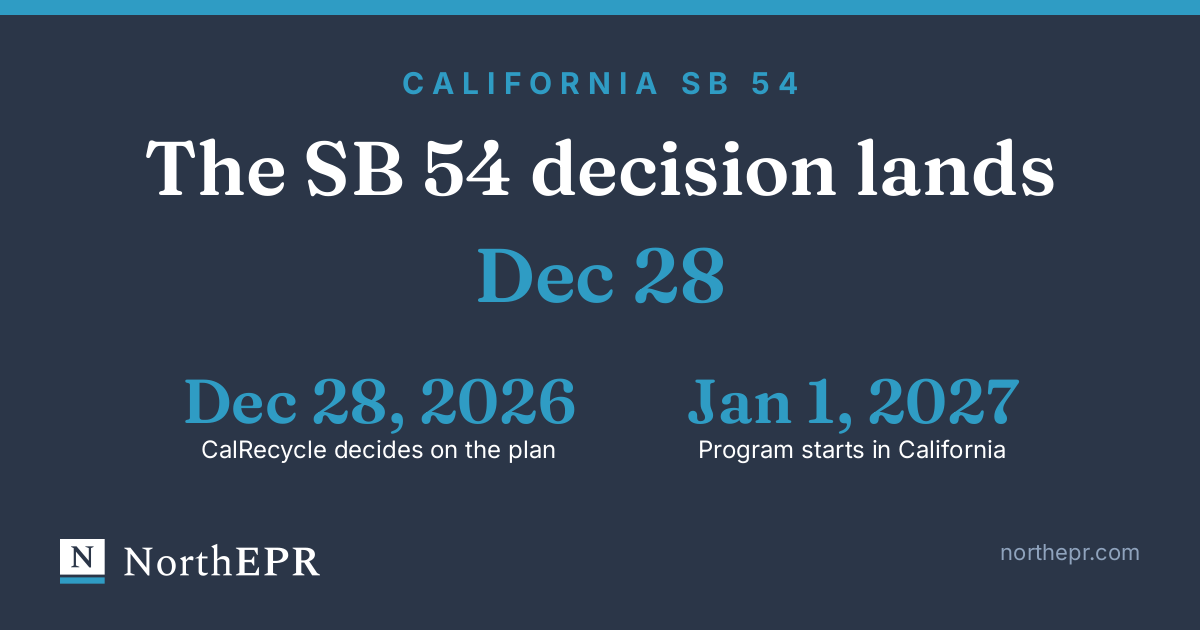
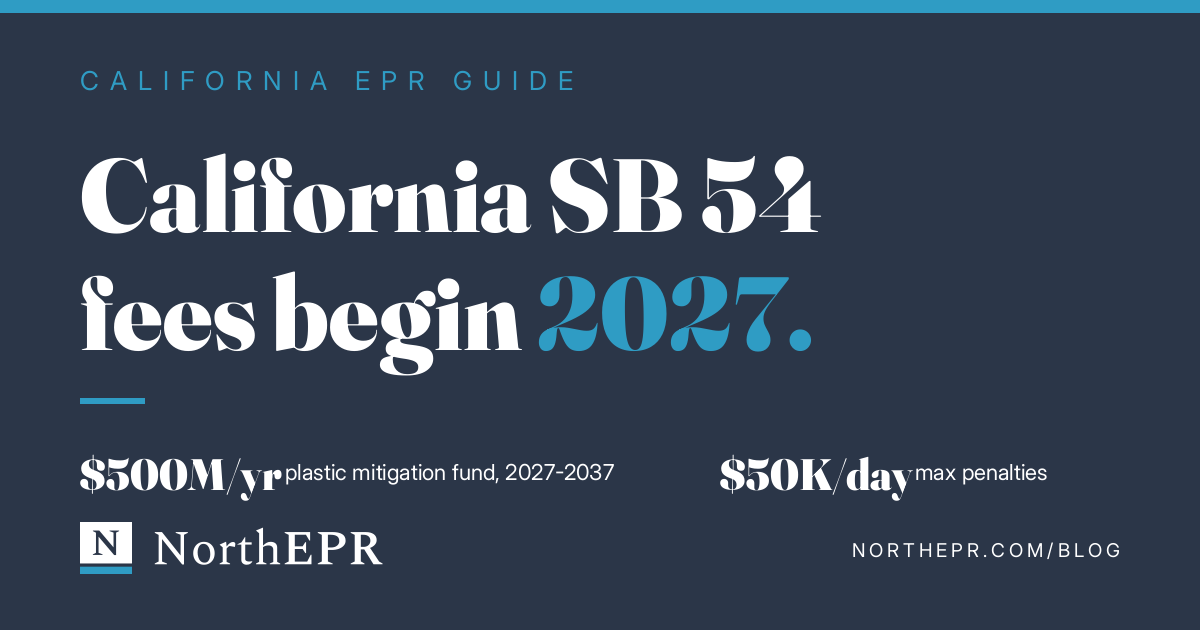
CalRecycle decides by Dec 28, 2026 whether to approve the SB 54 program plan. If it is approved, the program starts Jan 1, 2027, and producers need PRO membership and a 10 percent plastic source reduction. What to do now.
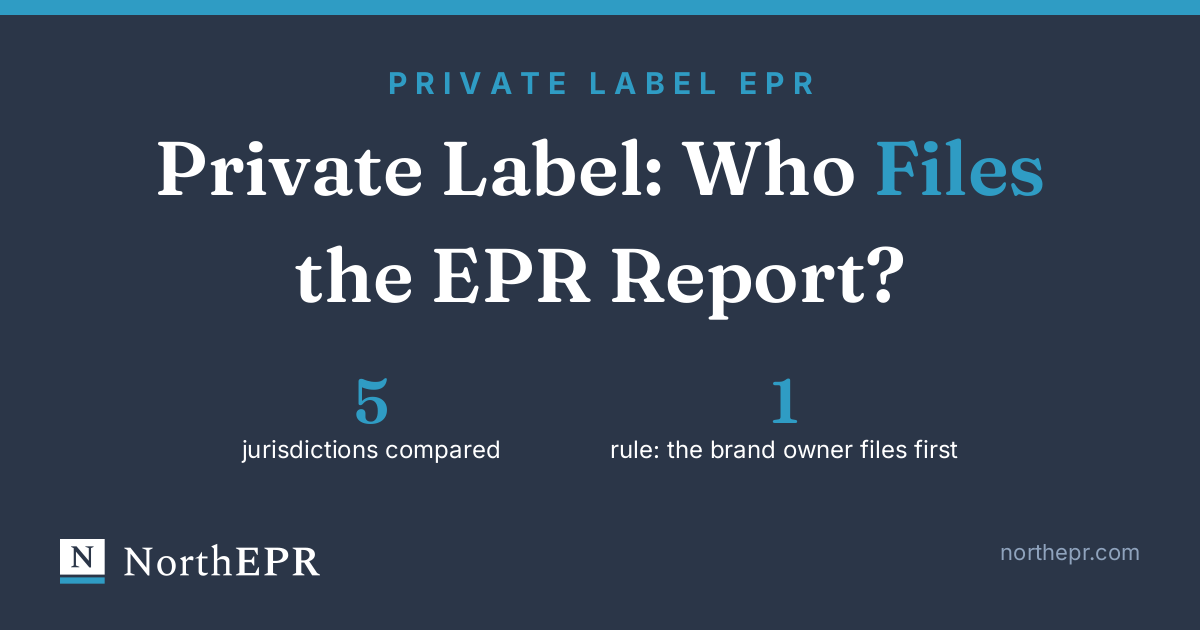
If a retailer sells your product under its own store brand, who files the EPR report? Usually the retailer, not the manufacturer. Here is how Ontario, Quebec, BC, California and Oregon assign private label packaging.
Oregon fees fall, Colorado fees rise, and California's are still provisional. Here is how to build a 2027 EPR fee budget from real rate schedules, with a worked example and invoice timing.
Your packaging suppliers already hold most of the data your EPR reports need: component weights, materials, and spec sheets. Here is exactly what to ask for, a template you can copy, and what to do when a supplier goes silent.
EPR fees are charged by material weight, so programs want your packaging data at SKU level. Here is how to build that inventory: list every SKU, split each into components, weigh by material, and split by place of sale.
Ontario Blue Box is now 100% producer funded. How your fee is set from your reported weights and material mix, when reports and invoices land, and why the schedule in your PRO portal is the number that matters.
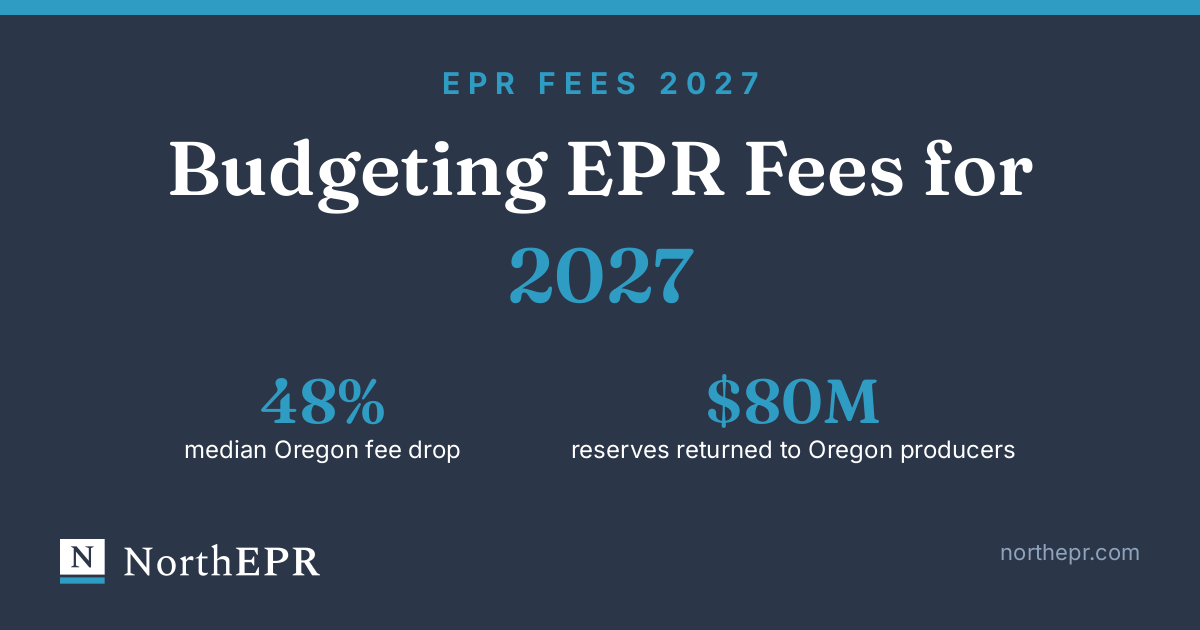
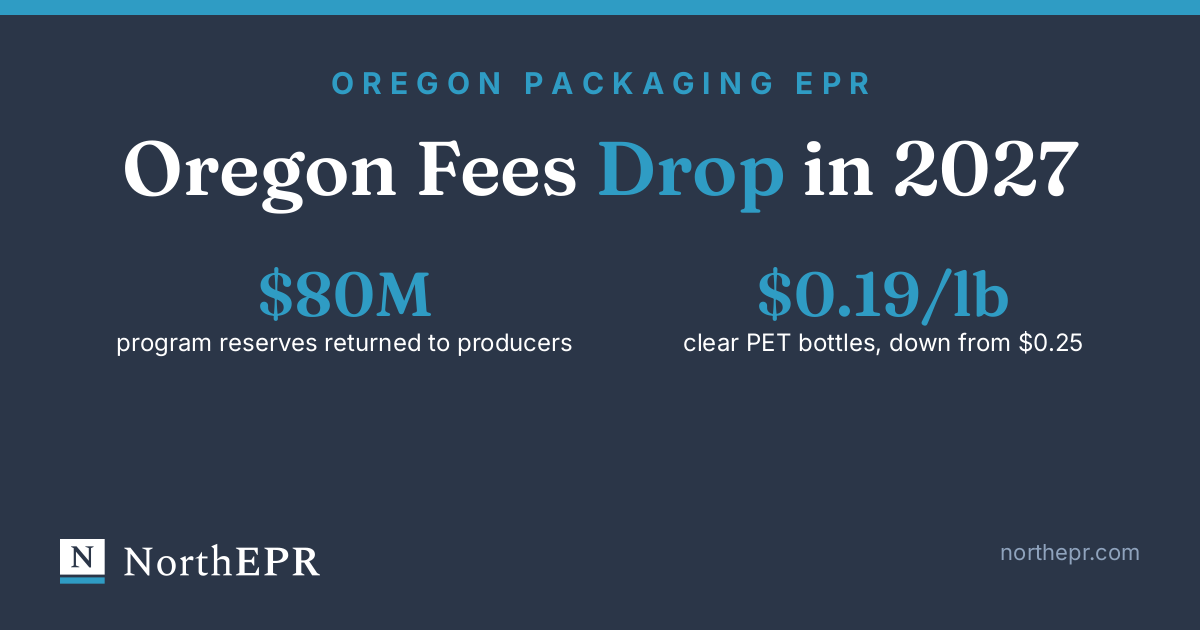
CAA's 2027 Oregon fee schedule cuts most rates: about $80M in program reserves returned to producers, no base fee on glass bottles, and annual fees split into January and July invoices. Here is what changed and what is still moving.
Ontario Blue Box producers face their first performance audit by May 31, 2027, covering 2024 to 2026 data. Here is what auditors ask for, the five records that make a file audit-ready, and how software keeps the evidence chain intact.
State EPR liabilities are triggered by where packaged goods land, not where they are packed. What Fox Packaging's Victoria Lopez told produce shippers at IFPA about the destination-state trap, the $20,000 consultant vs $300 fee gap, and mapping every state and province you sell into.
Joining a PRO is the first step of packaging EPR compliance. A step-by-step guide to registering with the right producer responsibility organization in each Canadian province and US state.
BC's Recycle BC program has run packaging EPR since 2014. Who is obligated, the May 31 filing deadline, the 1-tonne exemption, 2026 fee rates by material, and how to file through WeRecycle.
Ottawa's Federal Plastics Registry runs on an annual September 29 filing cycle. Who must report, the 1,000 kg threshold, what Phase 1 data covers, and how to get your 2026 data ready for the September 29, 2027 deadline.
New Brunswick's packaging EPR runs on the amended Designated Materials Regulation, overseen by Recycle NB with Circular Materials as PRO. Curbside reached every community in 2025; a uniform accepted materials list is expected in 2027. Here is who must comply and what to do now.
Washington's Recycling Reform Act (SB 5284) made it the seventh US state with packaging EPR. The July 2026 PRO registration deadline has passed, and the March 2029 cutoff turns compliance into a market-access question. Here is the timeline, the reuse fund, and the producer checklist.
Maryland's SB 901 is now law, and the clock is running. Here is who must comply, the timeline from July 2026 to 2030, and what producers should do now.
Every EPR fee starts with a number on a scale. Here is the five-step method for weighing packaging components by material, SKU by SKU, so your first EPR report is accurate and audit-ready.
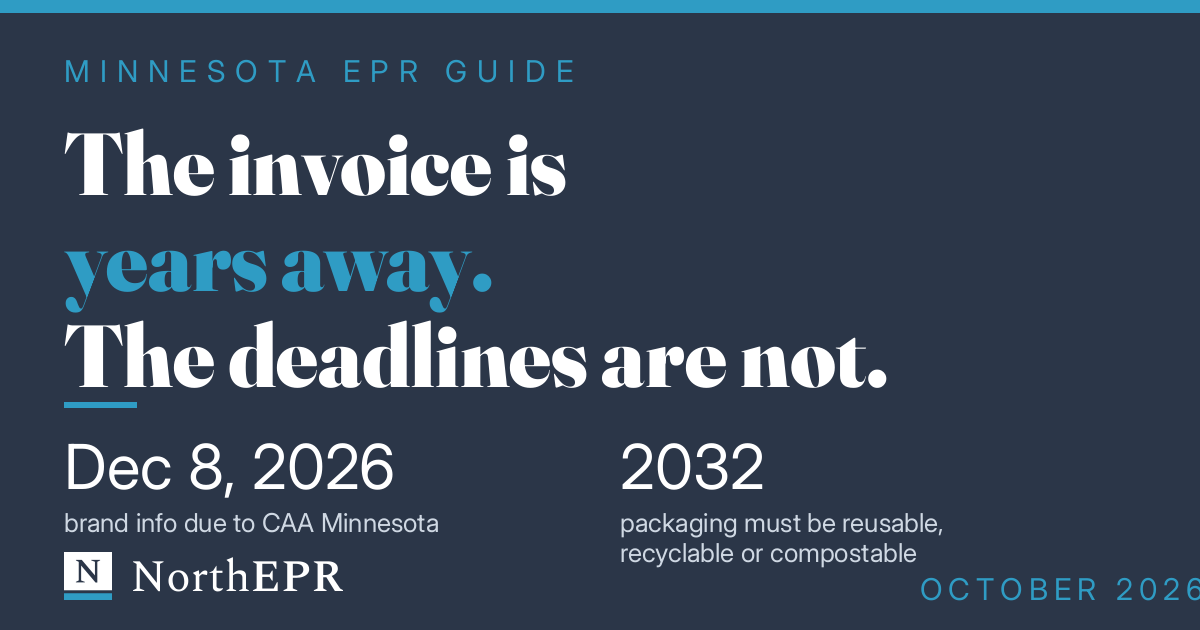
Minnesota's Packaging Waste and Cost Reduction Act is moving: CAA registration is open, brand info is due December 8, 2026, and the needs assessment lands December 31. Here is the shared-responsibility model, the timeline to 2031, and the producer checklist.
EPR vs stewardship: what the two models mean, why Canada is converting stewardship programs to full EPR, and what the shift means for what you pay and report.
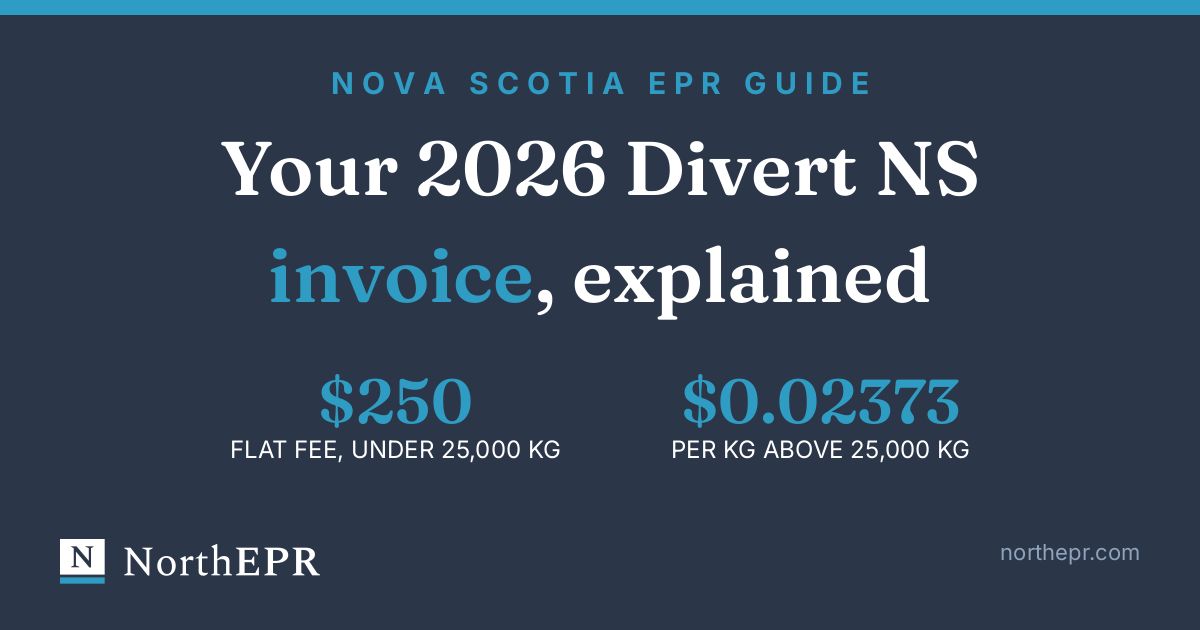
Divert NS invoiced 2026 packaging EPR oversight fees on October 1, due net 60 days. Here is the two-tier fee structure, the exemptions, and the producer checklist before the payment clock runs out.
What is a producer responsibility organization (PRO)? What PROs do, the major ones in North America (CAA, Circular Materials, ÉEQ, Recycle BC), and why you almost certainly need one.
How packaging EPR fees are calculated: weight times material rate, plus eco-modulation bonuses and penalties. What drives your fees up or down, and why SKU-level data matters.
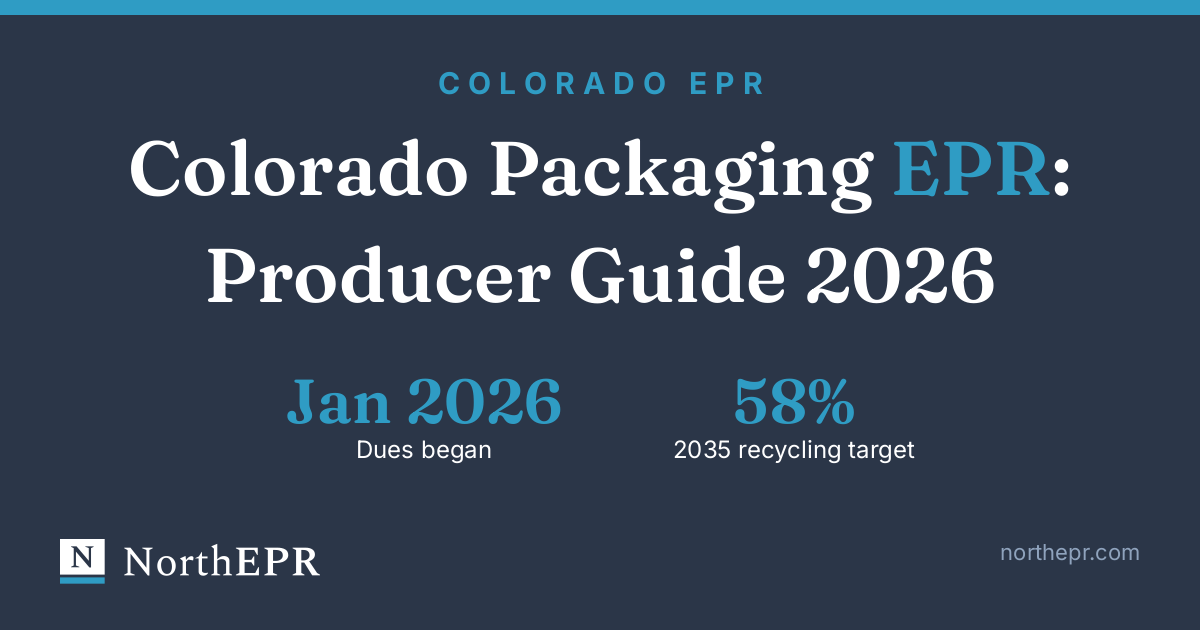
Colorado started collecting packaging EPR dues in January 2026. Here is the producer test, how CAA dues work, the NAW lawsuit, and the compliance checklist for food and beverage brands.
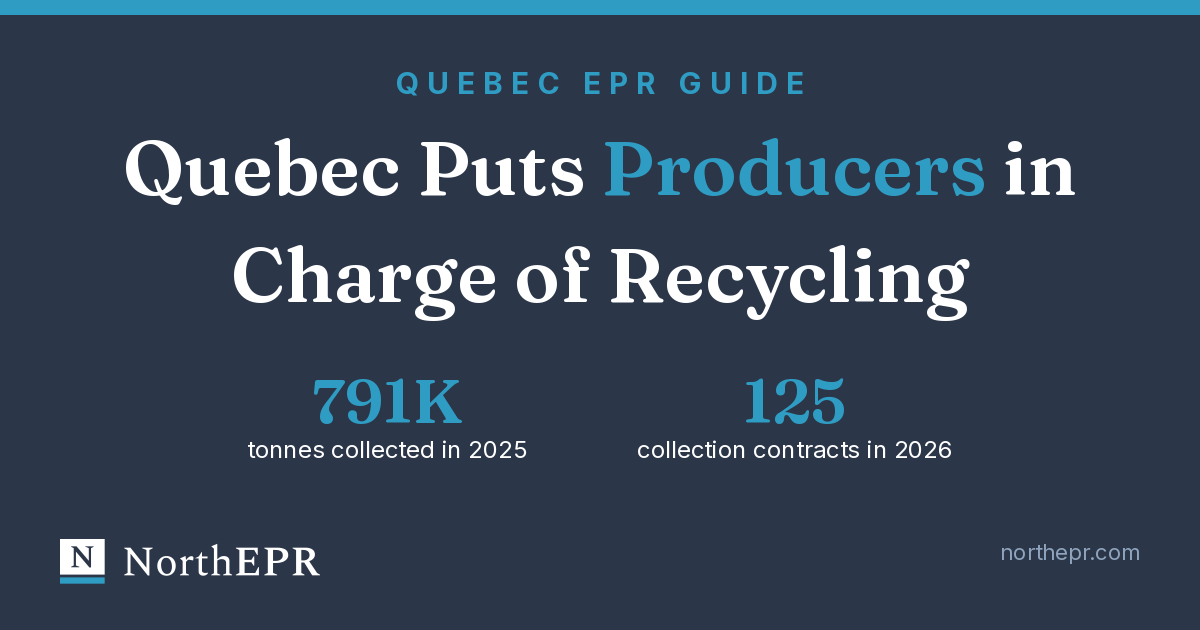
Quebec runs its curbside recycling under full producer responsibility through Éco Entreprises Québec. Here is the producer test, the 2026 fee schedule, eco-modulation penalties, and what to do now.
Who counts as a producer under packaging EPR laws? The brand owner hierarchy, private label traps, e-commerce sellers, and small-producer exemptions with real thresholds.
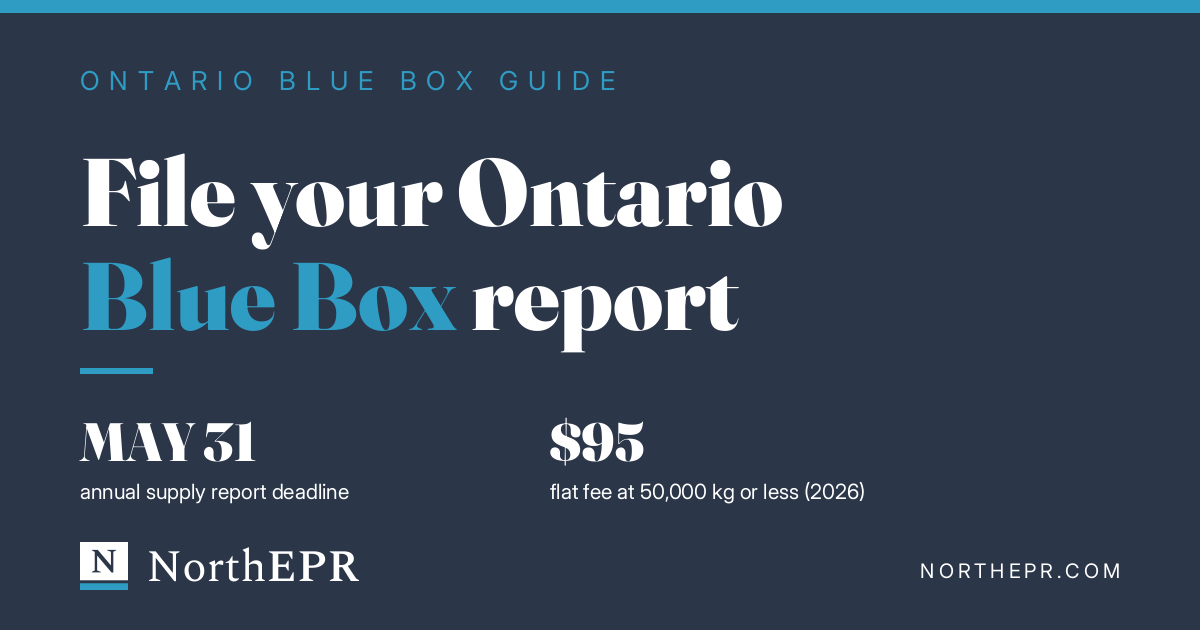
Ontario producers file a Blue Box supply report with RPRA every May 31. Here is the producer test, the 7 material categories, the fee math, and the mistakes to avoid.
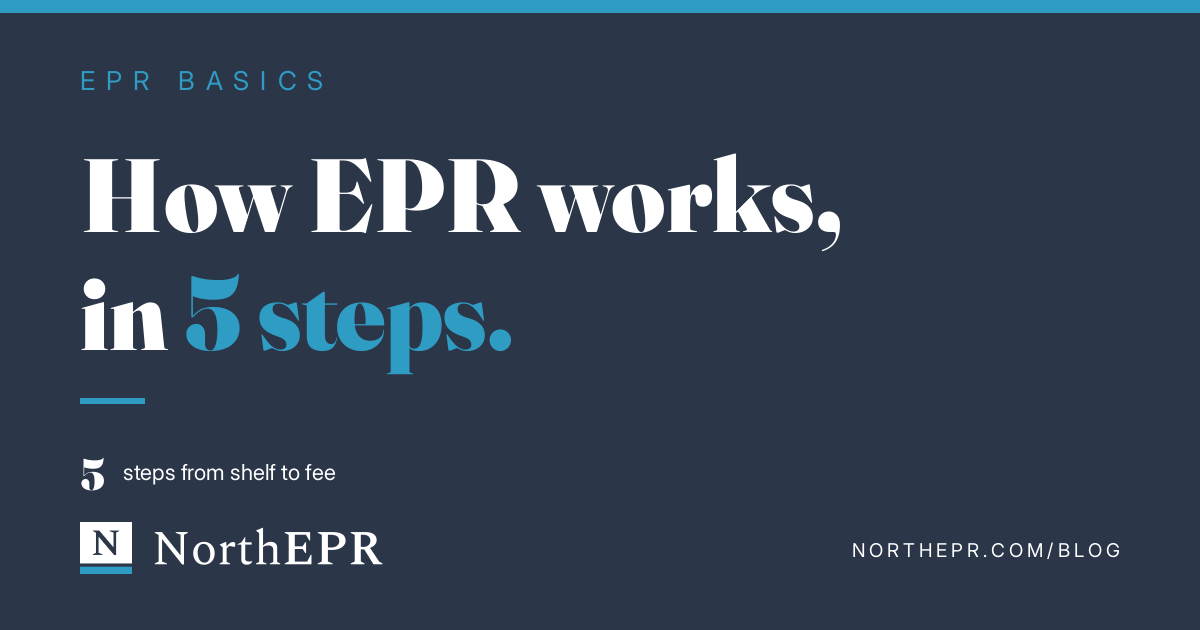
Packaging EPR in five steps: determine your obligation, register, report packaging data, pay fees, and meet targets. The same loop runs in every jurisdiction.
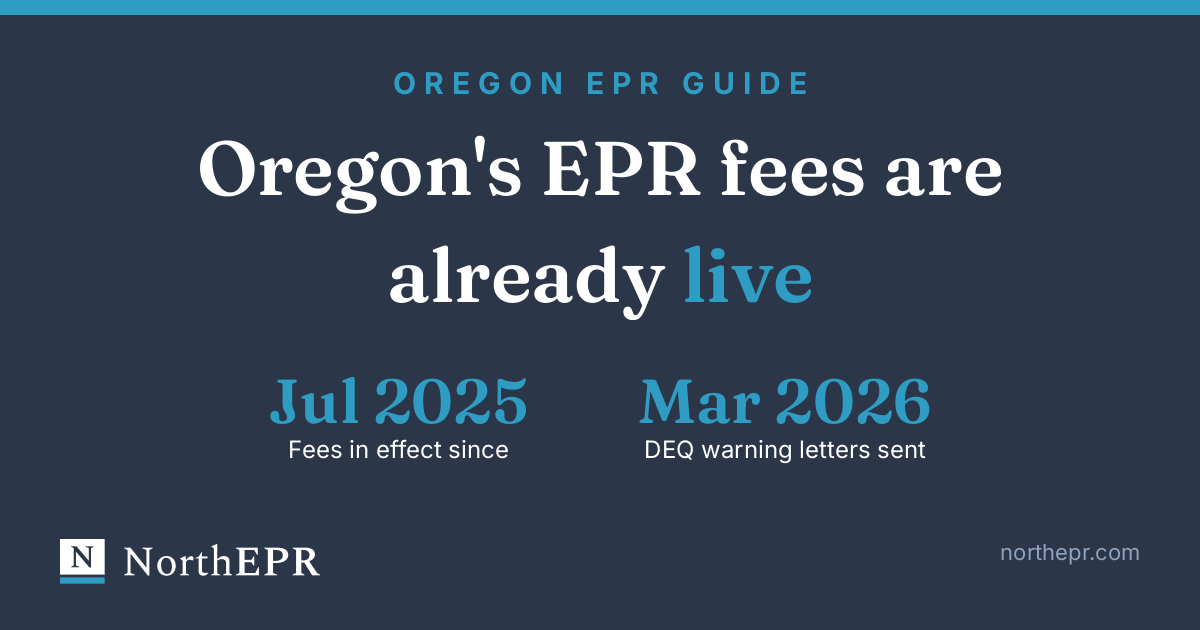
Oregon's Recycling Modernization Act is already collecting fees: what counts as a producer, how CAA fees work, and the compliance checklist for food and beverage brands.
Extended producer responsibility explained in plain language: the polluter-pays principle, its origins in Germany's 1991 packaging law, and why packaging became the prime target.
The UK Conservatives pledged to abolish packaging EPR, calling it a grocery tax. The politics are worth watching, but the compliance lesson for North American producers is simpler.
Oregon DEQ opened CAA's third program plan amendment for comment: covered material categories, glass fees, and performance metrics are all on the table. Comments close 5 p.m. PT on October 19, 2026.
The complete guide to packaging EPR for food and beverage producers: what it is, who it hits, how the system works, where it applies across Canada and the US, and what compliance looks like.
California SB 54 fees begin in 2027. Here is who counts as a producer, the key deadlines, what the fees look like, and the six things food and beverage brands should do now.